A Comprehensive Guide to Heat Treatment Processes
13.11.2023
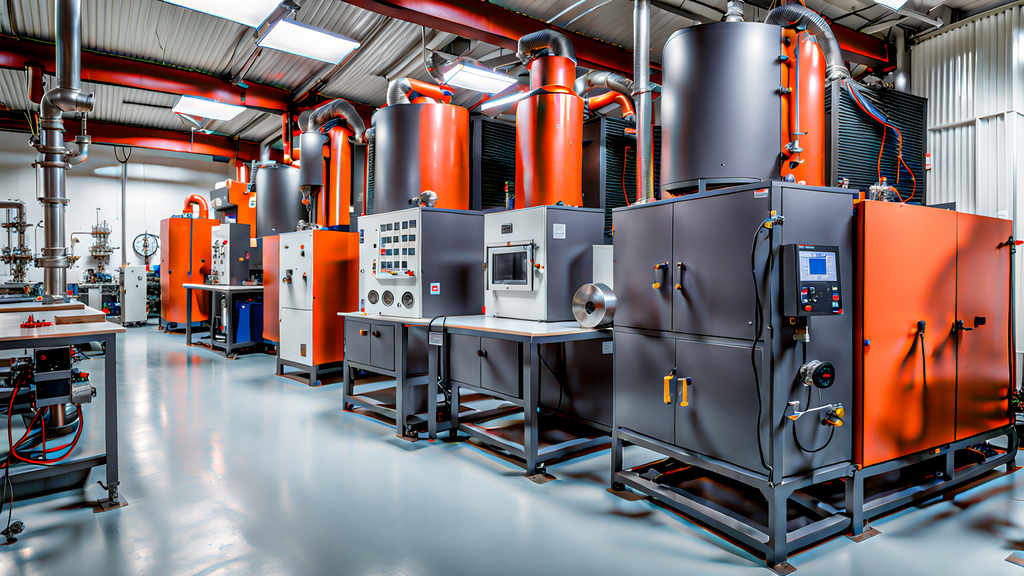
Heat treatment is a fundamental process in modern metallurgy and industrial manufacturing. By carefully controlling the heating and cooling of metals and alloys, engineers can modify the internal microstructure of materials and significantly improve their mechanical properties.
Through heat treatment, metals can be made stronger, tougher, more wear-resistant or easier to machine depending on the requirements of the final application. These processes play a crucial role in industries such as energy, heavy machinery, automotive manufacturing, aerospace and structural engineering.
This guide provides an overview of the most important heat treatment processes and explains how they influence the performance of metal components in demanding industrial environments.
What Is Heat Treatment?
Heat treatment refers to a group of controlled thermal processes used to alter the physical and mechanical properties of metals without changing their overall shape.
By heating a material to a specific temperature, holding it for a defined period and then cooling it at a controlled rate, the microstructure can be modified. These changes affect properties such as:
- Hardness
- Strength
- Toughness
- Ductility
- Wear resistance
- Internal stress levels
The ability to control these properties makes heat treatment an essential part of modern manufacturing and materials engineering.
Key Heat Treatment Processes
Several different heat treatment processes are used depending on the desired material properties and the type of metal being processed. Each method affects the material microstructure in a different way.
Annealing
Annealing is used to soften metals, improve ductility and reduce internal stresses caused by manufacturing processes such as forming or welding.
The material is heated to a specific temperature and then cooled slowly inside a furnace. This slow cooling stabilizes the microstructure and results in improved machinability and formability. You can read more about annealing here.
Quenching
Quenching is the rapid cooling of a material after heating, typically using water, oil or air as the cooling medium. This process increases hardness and strength, especially in steel. You can read more about quenching here.
Because rapid cooling can introduce brittleness, quenching is often followed by tempering.
Tempering
Tempering is commonly performed after quenching to reduce brittleness and improve toughness. The material is reheated to a lower temperature and then cooled again.
This process helps achieve a balance between hardness and toughness for reliable performance under mechanical stress.
Normalizing
Normalizing is a heat treatment process mainly used for steel. The material is heated above its critical temperature and then cooled in air.
Compared to annealing, faster air cooling produces a finer grain structure and typically improves strength and uniformity in steel components. You can read more about normalizing here.
Case Hardening
Case hardening (carburizing) is used to create a hard and wear-resistant outer surface while maintaining a tougher and more ductile core.
This is commonly used for gears, shafts and components that require high surface durability.
Solution Heat Treatment
Solution heat treatment is primarily used for non-ferrous alloys such as aluminum. The material is heated to dissolve alloying elements and then rapidly cooled.
This prepares the material for further treatments such as aging, which increases strength.
Heat Treatment Process Comparison
Different heat treatment methods are used depending on the desired material properties. Below is a practical comparison of common heat treatment processes.
Annealing
Main purpose: Improve ductility and reduce internal stresses
Cooling method: Slow cooling inside a furnace
Typical result: Softer material and improved machinability
Normalizing
Main purpose: Refine grain structure and improve uniformity
Cooling method: Air cooling
Typical result: Stronger and more uniform steel
Quenching
Main purpose: Increase hardness and strength
Cooling method: Rapid cooling in oil, water or air
Typical result: Very hard but potentially brittle material
Tempering
Main purpose: Reduce brittleness after quenching
Cooling method: Controlled reheating and cooling
Typical result: Balanced hardness and toughness
Case Hardening
Main purpose: Harden the surface while keeping a tough core
Cooling method: Carbon diffusion with controlled cooling
Typical result: Wear-resistant surface with a tougher core
Solution Heat Treatment
Main purpose: Dissolve alloying elements in non-ferrous alloys
Cooling method: Rapid cooling
Typical result: Improved strength after aging
Selecting the correct heat treatment process depends on the material, the manufacturing method and the performance requirements of the final component. Each process modifies the microstructure in a different way, which directly affects mechanical properties such as hardness, strength and toughness.
In industrial applications, heat treatment is often part of a larger manufacturing chain that includes machining, welding, forming and surface treatment. Careful process control ensures that components meet strict quality and performance requirements.
Industrial Applications of Heat Treatment
Heat treatment processes are essential in industries where metal components must perform reliably under demanding conditions. Common applications include:
- Improving hardness and wear resistance for gears, bearings and tools
- Enhancing toughness and durability in automotive and heavy machinery components
- Stress relief for welded structures to reduce cracking and distortion risk
- Improving corrosion resistance in demanding environments
- Ensuring reliability of precision components in high-performance industries
The Importance of Controlled Heating and Cooling
The success of heat treatment depends on precise temperature control, heating time and cooling rates. Modern heat treatment often relies on advanced furnace technology and monitoring systems to ensure consistent and repeatable results.
Industrial Heat Treatment Solutions by Heatmasters
Heatmasters provides advanced heat treatment services and equipment for demanding industrial applications. With decades of experience in thermal processing, Heatmasters supports customers with reliable solutions for large components, complex structures and specialized materials.
- Industrial heat treatment services
- Advanced furnace technology
- Controlled heating and cooling processes
- Process documentation and quality assurance
- Tailored solutions for specific customer requirements
In conclusion, heat treatment is a multifaceted process that significantly impacts the properties of metals and alloys. Its ability to enhance hardness, toughness and other desirable characteristics makes it an indispensable tool in modern industry.
If you are looking for heat treatment services or equipment, don’t hesitate to contact our team of experts.
Frequently Asked Questions About Heat Treatment
What is the main purpose of heat treatment?
The main purpose of heat treatment is to alter the microstructure of metals in order to improve properties such as hardness, strength, toughness and wear resistance.
What metals can be heat treated?
Common heat treatable metals include steel, aluminum alloys, titanium alloys and copper-based alloys. The most suitable process depends on material composition and performance requirements.
What is the difference between annealing and normalizing?
Annealing cools material slowly in a furnace to soften it and improve ductility, while normalizing cools steel in air to create a finer grain structure and typically higher strength.
Why is heat treatment important in manufacturing?
Heat treatment helps ensure that metal components achieve the required mechanical properties for demanding industrial applications and meet strict quality and performance standards.
Latest Project Summaries
Project Summary: On-Site Heat Treatment at the Montes del Plata Mill in Uruguay
18.02.2021
Project Summary: Integration of Modern Temperature Control System to an Existing Heat Treatment Furnace
20.11.2020
Project Summary: On-Site Heat Treatment at the Olkiluoto Nuclear Power Plant
14.10.2020
Latest News
Could You Be Our Next Distributor or Representative?
15.06.2026
Auroora Yhtiöt Oyj is the new owner of Heatmasters Oy
12.12.2025
Heatmasters Achieves 550 Days Without Incidents: Commitment to Workplace Safety Excellence
17.01.2025