What Is Quenching in Heat Treatment and Why Is It Used?
06.03.2026
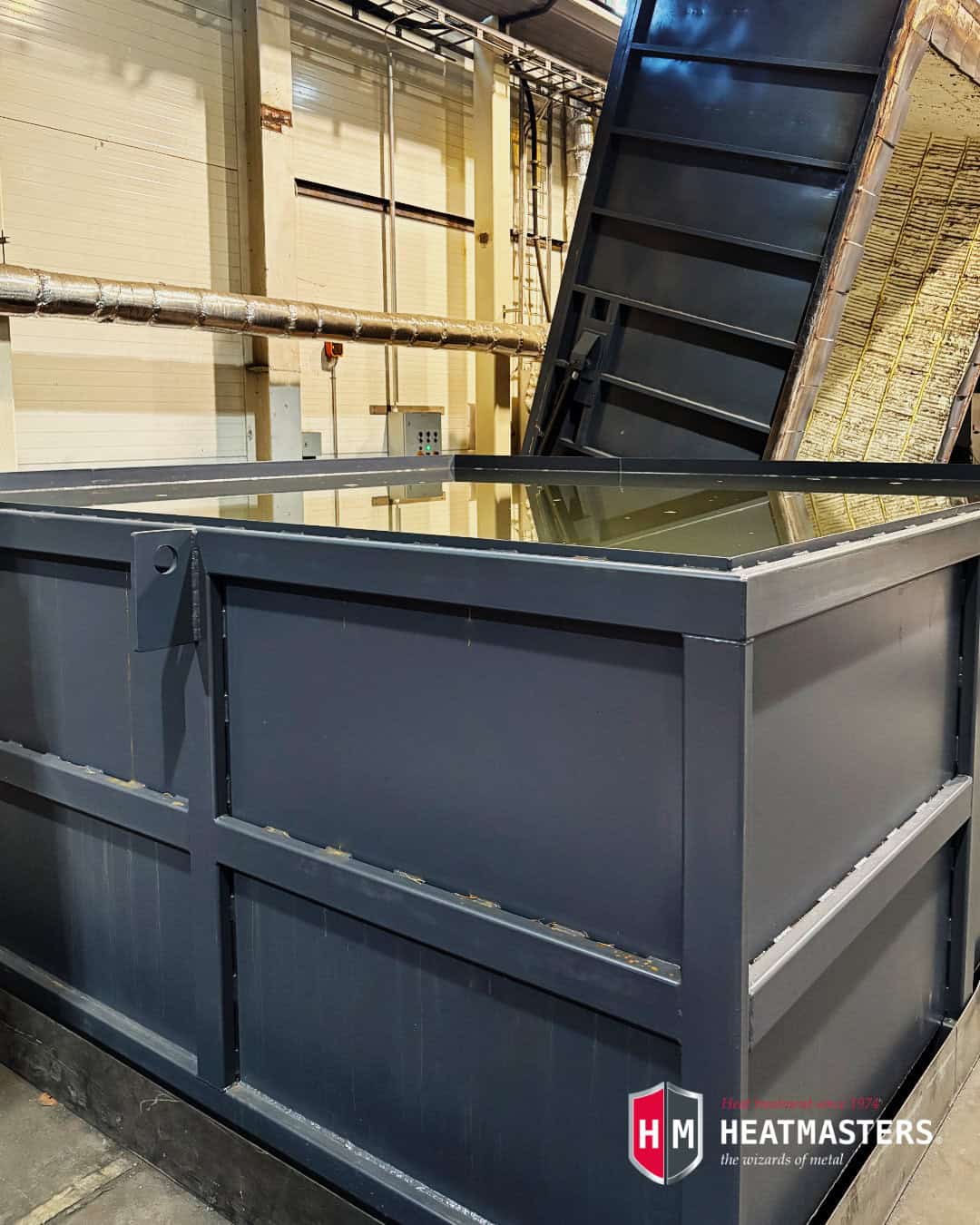
Quenching is one of the most important processes used in industrial heat treatment. It is widely applied when high hardness, strength and wear resistance are required in metal components.
In simple terms, quenching involves rapidly cooling a material after it has been heated to a specific temperature. The rapid cooling alters the microstructure of the metal, creating a harder and stronger material.
Quenching is particularly important in steel heat treatment, where it is used to achieve the mechanical properties required for demanding industrial applications such as heavy machinery, energy production equipment, tooling, gears, shafts, bearings and other mechanically stressed components.
For customers, well-controlled quenching can mean longer component lifetime, improved wear resistance, fewer failures and more predictable performance in demanding operating conditions.
Because quenching can significantly change the internal structure of a material, the process must be carefully controlled to ensure reliable and predictable results.
What Is the Purpose of Quenching?
The primary goal of quenching is to increase the hardness and strength of metals by rapidly cooling them from a high temperature. When steel is heated above its critical transformation temperature and then cooled quickly, the microstructure transforms into harder phases such as martensite.
This transformation dramatically increases the hardness and strength of the material.
However, increased hardness often comes with increased brittleness. For this reason, quenching is frequently followed by tempering, which helps restore toughness and reduce the risk of cracking.
Key purposes of quenching include:
- Increasing hardness and strength
- Improving wear resistance
- Enhancing load-bearing capacity of components
- Preparing materials for further treatments such as tempering
- Achieving specific microstructural transformations in steel
These properties are essential for components that must perform reliably under high mechanical stress or abrasive conditions.
How the Quenching Process Works
The quenching process typically consists of three main stages.
Heating
The material is first heated to a temperature where its internal structure transforms into austenite. The exact temperature depends on the steel grade and the desired metallurgical result.
For many carbon and low-alloy steels, the material is heated to the austenitizing range, often approximately 800–950 °C, depending on the material and required properties.
Uniform heating is critical to ensure that the transformation occurs consistently throughout the component.
Soaking
Once the target temperature has been reached, the material is held at that temperature long enough to allow the internal structure to stabilize.
This stage ensures that the entire component reaches the desired metallurgical state before cooling begins.
Rapid Cooling
After soaking, the material is rapidly cooled in a quenching medium. The speed of cooling determines the final microstructure and mechanical properties of the material.
Common quenching media include:
- Water
- Oil
- Polymer solutions
- Air or controlled gas
The selection of quenching medium depends on the material type, component geometry, required hardness level and acceptable level of distortion risk.
Common Quenching Methods
Different quenching methods are used depending on the material and industrial requirements.
Water Quenching
Water provides very fast cooling rates and is often used when maximum hardness is required. However, rapid cooling can also introduce significant thermal stress, increasing the risk of distortion or cracking.
Oil Quenching
Oil quenching provides slower and more controlled cooling compared to water. This reduces the risk of cracking and distortion while still achieving significant hardness.
Oil quenching is widely used for alloy steels and precision components.
Air Cooling and Controlled Gas Quenching
Air cooling and controlled gas quenching are used when a lower or more precisely controlled cooling intensity is required.
Air cooling may be suitable for certain materials and applications where extremely rapid cooling is not necessary. Controlled gas quenching, often used in modern furnace systems, allows the cooling atmosphere and process conditions to be managed more precisely.
This can help achieve consistent results, particularly for components with complex geometries or strict quality requirements.
Benefits of Quenching in Industrial Applications
When applied correctly, quenching provides several advantages for industrial manufacturing.
One of the most important benefits is improved wear resistance. Harder materials can withstand abrasive conditions and maintain their performance for longer periods.
Quenching also increases the load-bearing capacity of components. This is critical in applications where parts are exposed to high mechanical stress or repetitive loading.
Other important benefits include:
- Increased material hardness
- Improved strength and durability
- Enhanced wear resistance
- Longer component lifetime
- More predictable performance in demanding environments
- Reduced risk of premature component failure
Because of these benefits, quenching is widely used in the production of gears, shafts, bearings, tools and other critical mechanical components.
Challenges and Process Control in Quenching
Although quenching provides significant benefits, the process must be carefully controlled to avoid potential problems.
Rapid cooling can introduce internal stresses that may cause distortion or cracking, particularly in large or complex components. The risk of these issues depends on factors such as material composition, component geometry and cooling rate.
To achieve reliable results, industrial quenching processes rely on precise temperature control, carefully selected quenching media and advanced monitoring systems.
Professional heat treatment providers use controlled furnace technology and documented process parameters to ensure consistent and repeatable outcomes.
Industrial Water Quenching Solutions by Heatmasters
For industrial customers, successful water quenching is not only about rapid cooling. It also requires technical expertise, precise temperature control, suitable equipment and clear documentation.
Heatmasters provides industrial water quenching services using a dedicated quenching pool at our Service Center. This enables controlled rapid cooling for components where water quenching is the specified or suitable heat treatment method.
Our capabilities include:
- Industrial water quenching for suitable steel components
- Controlled heating before quenching
- Quenching pool capacity for demanding industrial applications
- Process monitoring and documentation according to customer requirements
- Tailored heat treatment solutions based on material and project specifications
With decades of experience in thermal processing, Heatmasters supports customers in achieving consistent material properties and reliable performance in critical applications.
Quenching as a Critical Step in Heat Treatment
Quenching plays a central role in modern metallurgy and industrial manufacturing. Its ability to significantly increase hardness and strength makes it essential for producing high-performance components used in demanding environments.
When properly controlled and combined with processes such as tempering, quenching allows manufacturers to achieve the optimal balance between hardness, strength and toughness.
For industries where reliability, durability and performance are essential, professional heat treatment solutions are a key part of the manufacturing process.
Need support with industrial heat treatment or water quenching requirements? Contact Heatmasters to discuss your project with our experts.
Frequently Asked Questions About Quenching
What is quenching in heat treatment?
Quenching is a heat treatment process where a heated metal component is rapidly cooled to achieve specific mechanical properties, such as increased hardness, strength and wear resistance.
Why is quenching often followed by tempering?
Quenching can increase hardness but may also make the material more brittle. Tempering is often used after quenching to reduce brittleness, improve toughness and relieve internal stresses.
What is water quenching?
Water quenching uses water as the cooling medium. It provides a fast cooling rate and is typically used when high hardness is required, but the process must be carefully controlled to reduce the risk of distortion or cracking.
Latest Project Summaries
Heatmasters Expands to Iberia – New Service Center Now Open in Portugal
08.09.2026
Project Summary: On-Site Heat Treatment at the Montes del Plata Mill in Uruguay
18.02.2021
Project Summary: Integration of Modern Temperature Control System to an Existing Heat Treatment Furnace
20.11.2020
Latest News
Heatmasters Expands to Iberia – New Service Center Now Open in Portugal
08.09.2026
Could You Be Our Next Distributor or Representative?
15.06.2026
Auroora Yhtiöt Oyj is the new owner of Heatmasters Oy
12.12.2025